
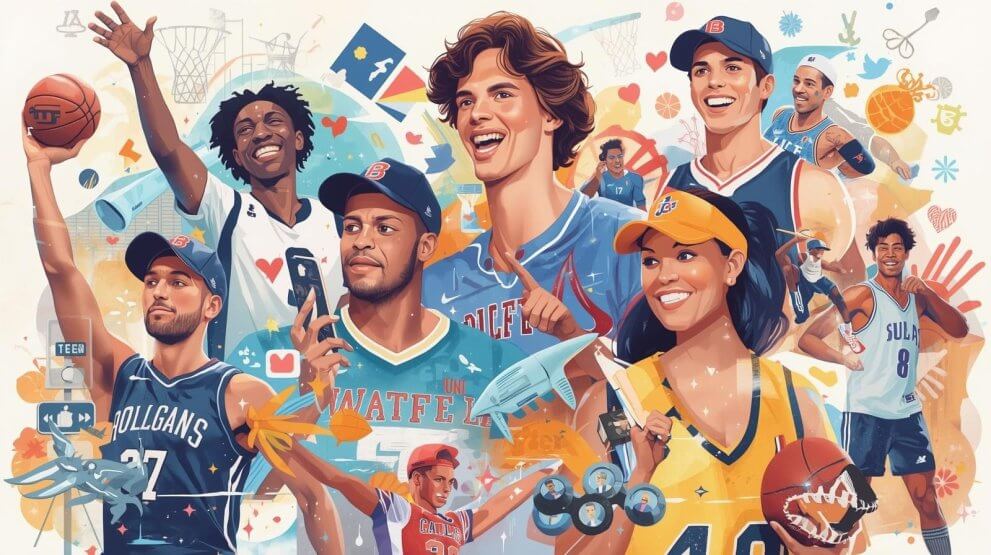
Sports are no longer about the performance of the teams; they are about stories. The emergence of social media as an influencer in sports is changing how fans view, follow, and patronize their preferred sportsperson. Instagram videos are short, TikTok videos are viral, but athletes can take the main stage, reveal the backstage, and reach out to millions of fans.
This new wave of athlete digital branding and sports influencer marketing gives players the ability to showcase their training, lifestyle, and personality to the public in a manner that traditional media cannot. Brands and athletes are closer to fans, the fans are more engaged, and athletes are more likely to become loyal in the long term. Social media is no longer a tool; it is the game-changer of the modern sports culture.
Why social media influencing in sports is gaining momentum.
Authenticity is what fans want, and that is what social media influencers in sports can provide them. Sportsmen share stories of their lives, training, and problems. This generates confidence since fans are not limited to the lights in the stadium. Social networks such as Instagram, TikTok, and YouTube allow athletes to share the moment in real-time, which does not exist in traditional media.
This trend grows daily. Users desire sports online material that is authentic, as opposed to one that has been scripted. Emotion, motivation, or even mistakes by athletes are very powerful catalysts for stronger connections. Such authenticity is what leads to interaction, a fan base, and making athletes a significant part of the sports culture across the globe.
Digital influence on the shift to traditional media.
There is no longer a need to use TV or newspapers only. Athletes make direct postings, and this can give sports social information by giving the fans direct information about the sport, including updates, opinions, and highlights. This change renders the voices of athletes more authoritative than they were in the case of traditional reporters.
The role of social media in sports as a brand builder for athletes.
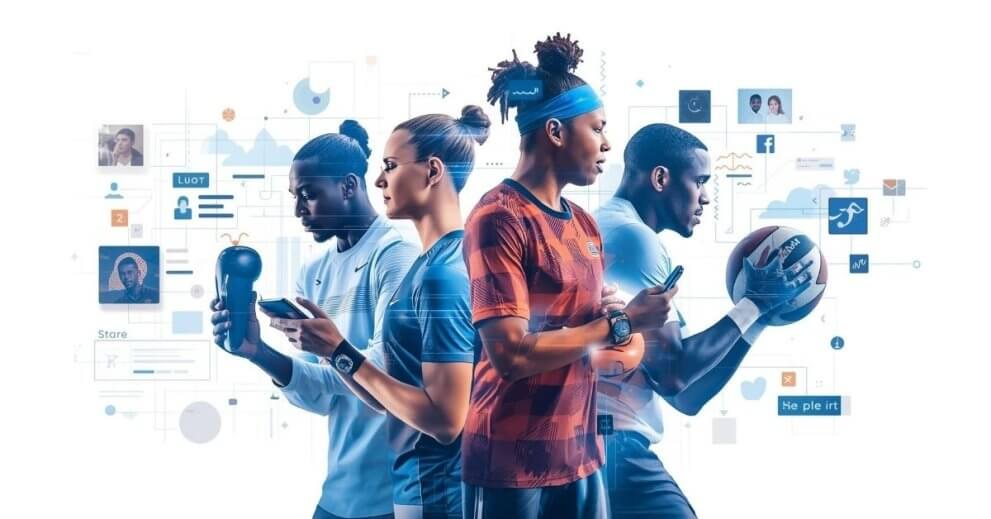
Social media influencing sports has made athletes in control of their image. Relatable and engaging athlete personal branding is formed by sharing the training routines, traveling experiences, and lifestyle content. People begin to perceive athletes as ordinary human beings and not actors on the field.
This relationship makes ordinary watchers fans. Videos of commitment, struggles, or winning moments enhance involvement. This, over time, makes them stronger in the digital sports person, more marketable, memorable, and relevant even when not in season or retired.
Content modification backstage is altering the allegiance of fans.
Premium content, such as locker-room access or workout routines, will deliver genuine sports stories. Customers become part of the family, and their loyalty goes way beyond one game or highlight reel.
The role of social media influence in sports as a source of huge sponsorship.
Engagement is the new measure of influence by brands and not fame. The role of social media in sports is to enable the sportsmen to form authentic interactions that are favored by sponsors. Trust and reach are best indicated by likes, comments, and shares.
Sponsorships have shifted. Businesses are willing to invest in players who have a high following in sports since online content turns fans into buyers. This new paradigm is a win-win situation as brands earn the respect of the market and athletes earn revenue outside of the old system of contracts or endorsements.
What companies believe in digital athletes, not old marketing.
The digital athletes provide sports niche services and real-time responses. It is their genuine content that generates results better than scripted television advertisements, and this makes them an extremely valuable sponsor partner in sponsorship projects.
The effect of social media influence on sports on fan engagement.
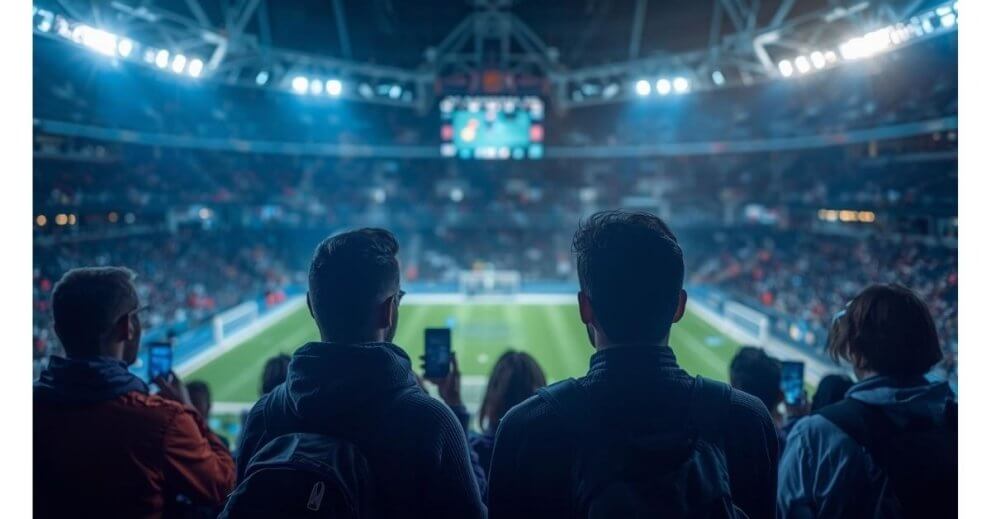
Fans can be brought closer with the instant updates. Influencing sports with social media enables athletes to post victories, errors, and emotions in real-time, and this provides the sporting activity in real-time. Fans are able to celebrate, respond, and discuss events in real-time, which adds to the excitement and loyalty.
These communications make passive spectators active participants. The sports culture is now being developed by the fans, trending hashtags, viral videos, and the digital community has become as significant as the game does.
Feeding frenzy redesigning fan behavior.
Interactive sports content is offered through live stories, interactive posts as well and behind-the-scenes clips. The fans do not observe anymore but experience each moment.
Impact of social media influencing in sports in the USA in the future.
Social media influencing in sports will keep being redefined using technology. The elements of AI, immersive VR, and augmented reality will enable fans to attend matches and training sessions in a way that was never before possible. This produces more involvement and more intimate communication with athletes.
Sports tech innovation will help athletes and brands create content that will be appreciated by their followers. The future isn’t necessarily a question of creativity or data, but it will integrate both to ensure that the fans are mesmerized and engaged.
The trends in technology in the coming 10 years.
AR, AI analytics, and virtual sports branding will be the norm. The fans will communicate with digital figures, visit virtual training, and have immersive celebrations.
The Sports Industry Has Been Changed by the Influencer Impact.
| Area | Old Sports Model | New Influencer Model |
|---|---|---|
| Fan Access | Limited interviews | Daily real-time access |
| Athlete Branding | Controlled by the media | Controlled by athletes |
| Sponsorship Value | Based on TV ratings | Based on engagement |
| Fan Behavior | Passive watching | Active participation |
| Growth Speed | Slow | Viral and instant |
Conclusion
The emergence of social media that is affecting sports has changed how fans interact, the branding of athletes, and sponsorship ideas. True life, up-to-date content increases sporting interest like never before. With the development of technology, the impact will increase, loyalty will be higher, and sportsmen will continue to influence the digital world of sports, making each fan an active contributor to the excitement.
Faqs
What is social media influencing in sports?
It is when athletes use social platforms to engage fans and promote their brand.
How does social media influence fan engagement?
It allows real-time updates, behind-the-scenes content, and direct interaction with fans.
Why should athletes use social media for branding?
It builds trust, loyalty, and a strong digital presence beyond the field.
How do sponsors benefit from sports influencers?
They gain authentic engagement and reach highly targeted audiences.
What is the future of sports influencing in the USA?
Technology like AI, VR, and AR will make fan experiences more immersive.
